Malaga Day Tours
I’m Serious Day Tour Man AI, your day trip expert. Ask me anything — where to go, how to get there, and what’s actually worth your day.
Malaga has quietly become Andalusia’s best base city. The airport everyone lands at grew a first-rate art town around itself, and the day-trip spokes run in every direction: a cliff-face walkway an hour north that was once the world’s most dangerous path, Ronda’s gorge ninety minutes inland, a British territory with resident monkeys down the coast, and stone-age monuments beside a karst moonscape forty-five minutes away that almost nobody books.
Sorting the famous from the underrated is the whole job here, and it’s done honestly below.
Here’s what’s worth a day, with real times and honest trade-offs.

Popular Day Trips
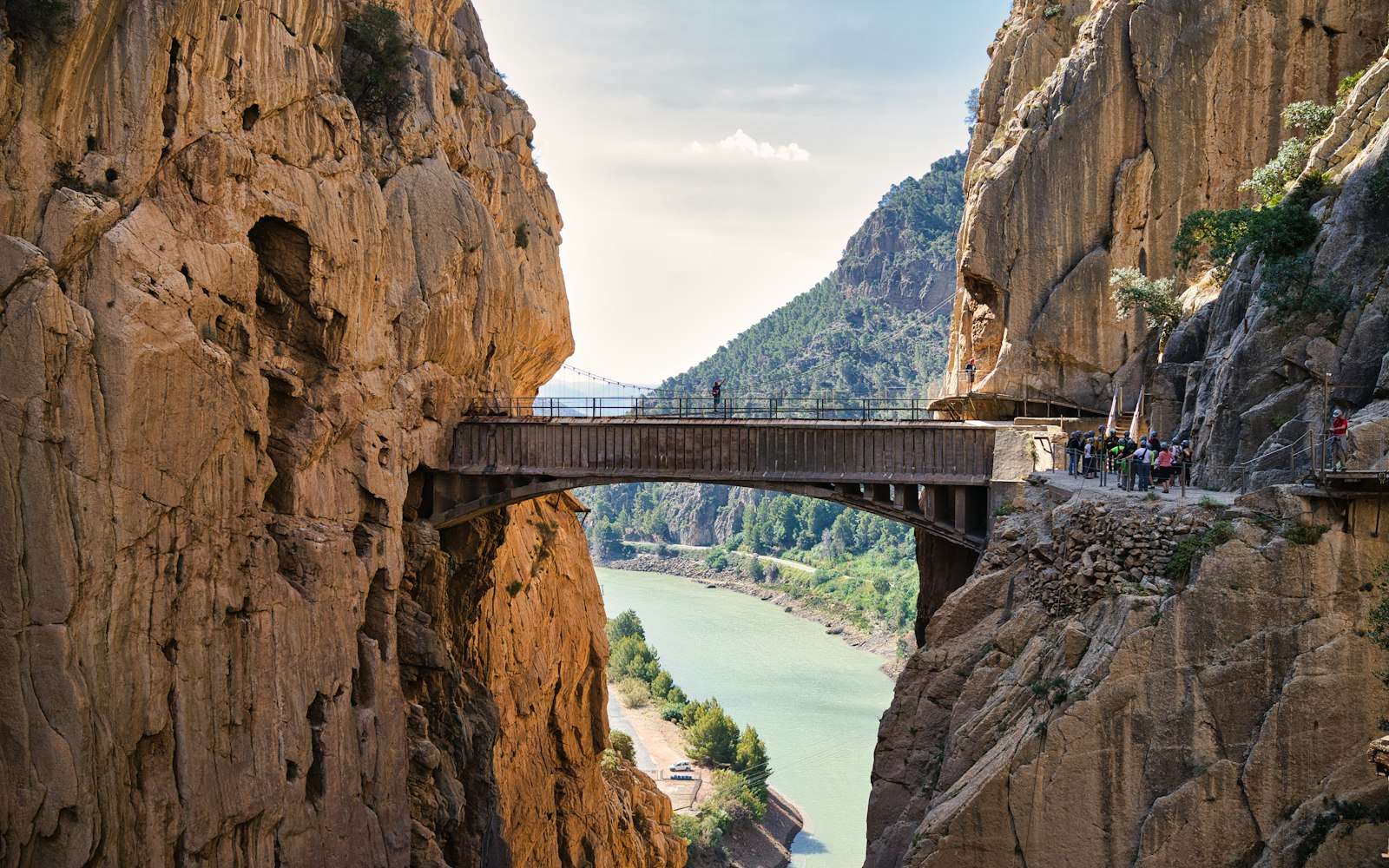
Caminito del Rey
Timed Tickets, the One-Way Gorge
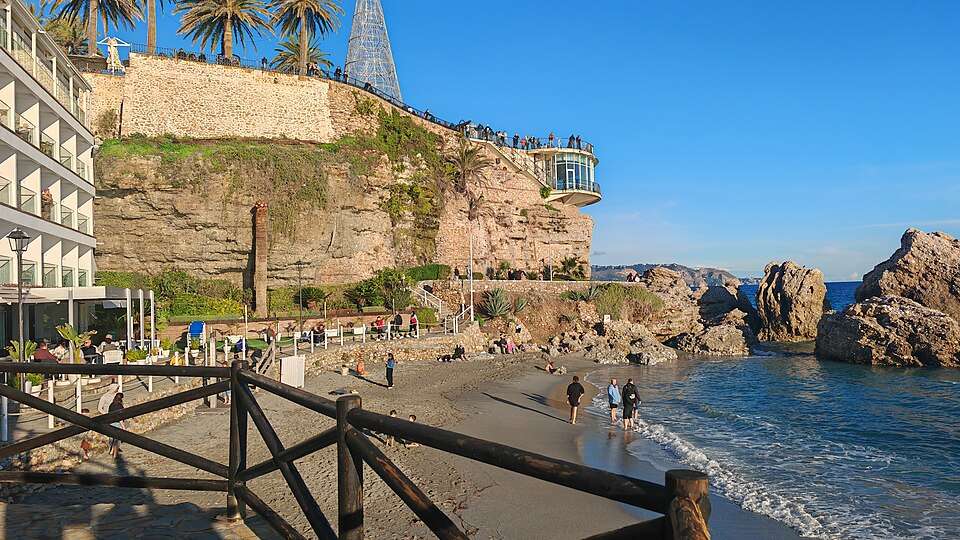
Nerja
The Timed Caves, the Balcón de Europa
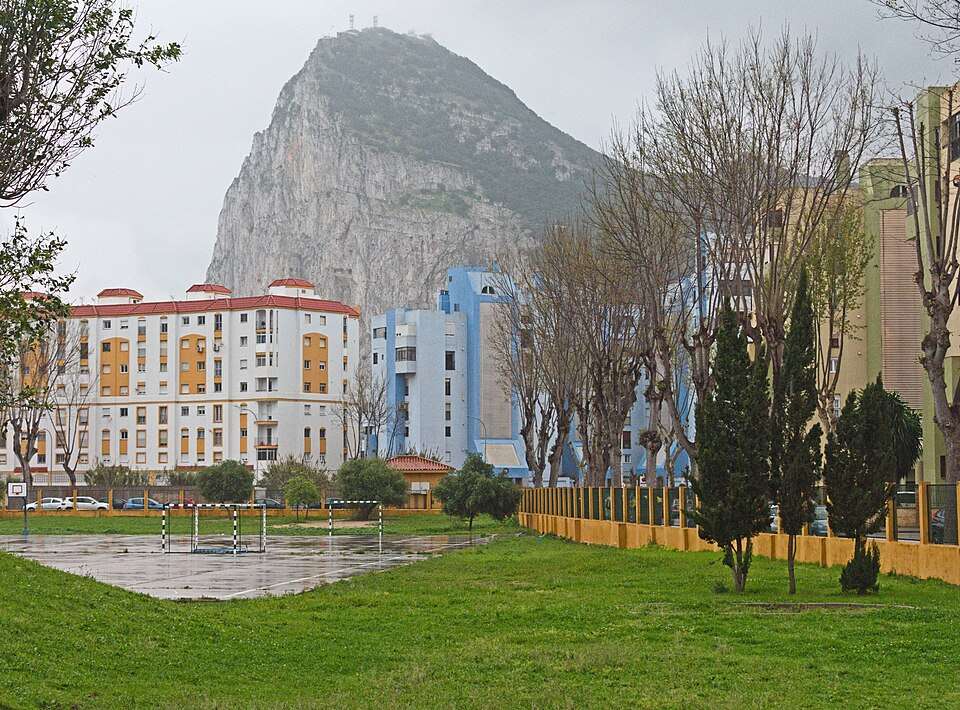
Gibraltar
The Border on Foot, the Apes with Opinions
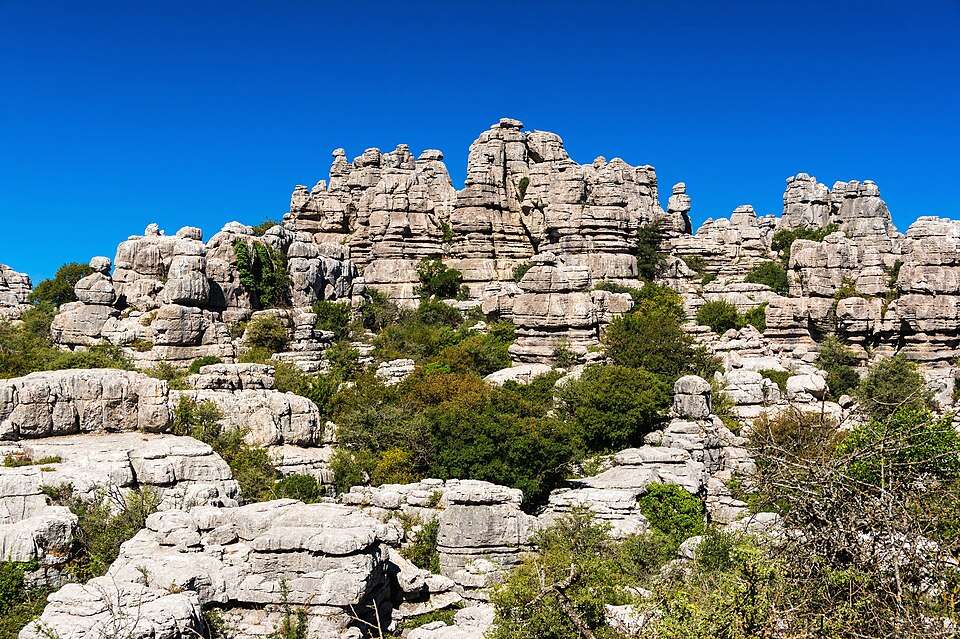
Antequera & El Torcal
Dolmens Older Than the Pyramids, a Mountain Shaped Like a Face
El Caminito del Rey
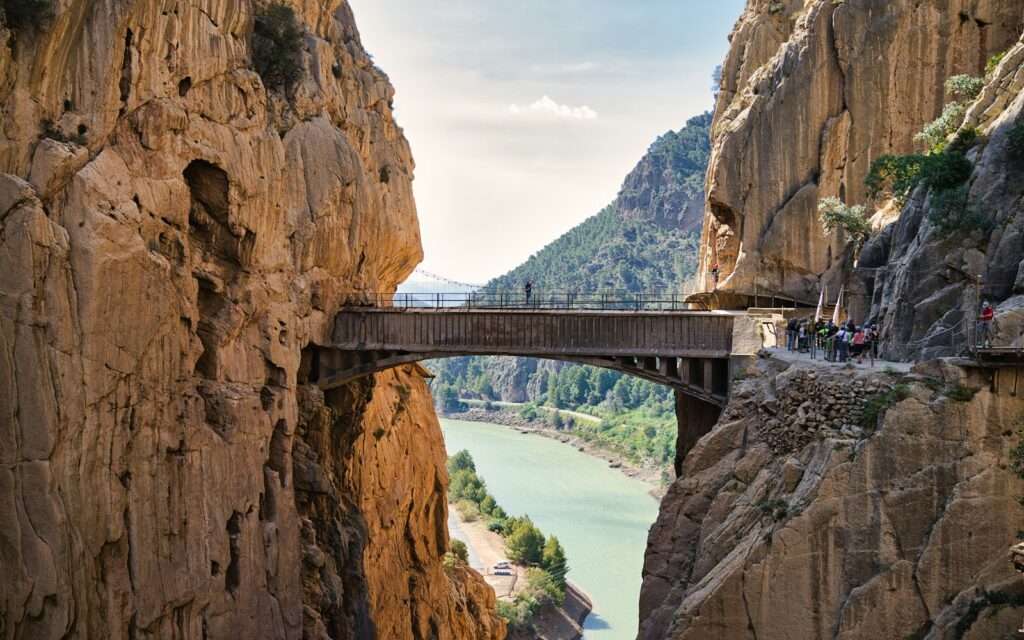
The signature trip sits an hour north. The “King’s Little Path” clings to the walls of the Gaitanes Gorge — a boardwalk pinned a hundred meters up sheer limestone, rebuilt in 2015 over the crumbling 1905 original that had become infamous as the world’s most dangerous walkway. The old concrete ruins remain visible below the new boards, which is half the thrill.
The facts: the full route runs 7.7 kilometers, walked one way, north to south, in three to four hours, with shuttle buses (€2.50, cash) linking the ends. Tickets are timed, capped, and sell out weeks ahead in season — book on the official platform the moment your dates firm up, or take a Malaga tour package that holds an allocation. Know the rules: children under 8 are not admitted at all, everyone 8 and up needs ID at the checkpoint, the path closes Mondays, and there are no same-day tickets at the visitor center.
The reassurance and the caveat in one: the modern path is safe, helmeted, and manageable for anyone steady on their feet. Vertigo is the only real screening question — answer it honestly before booking, because the gorge has no exits.
Read the full Caminito del Rey day-trip page.
Ronda & the Gorge
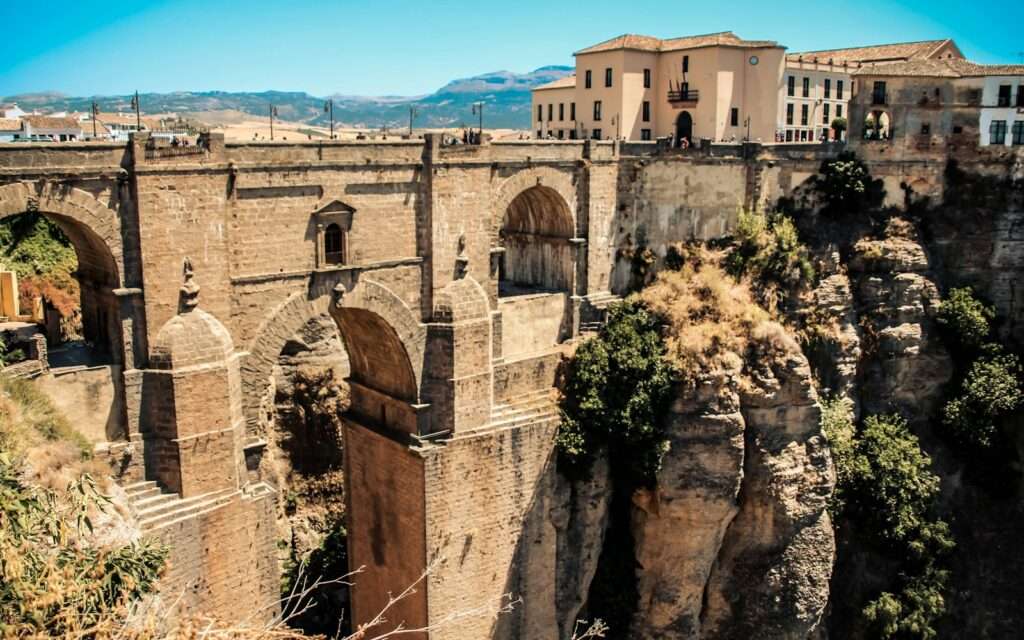
Ronda sits ninety minutes northwest — closer from Malaga than from Seville, whatever the tour brochures imply. The town balances on both lips of El Tajo, the hundred-meter gorge spanned by the Puente Nuevo, one of the great man-made sights in Spain.
The program: see the bridge from both levels — the path down into the gorge costs a climb back and pays off in the photograph — then the country’s oldest bullring and its museum, and the clifftop paseo where Hemingway and Welles spent their adopted-son years. Tours pair Ronda with Setenil de las Bodegas, the village built beneath its rock overhangs, twenty minutes on. Take that addition.
One routing note: Ronda also anchors the classic white-villages day from Seville. If your Andalusian route touches both cities, take Ronda from Malaga — it’s shorter — and give Seville’s day trip to Córdoba instead.
Antequera & El Torcal — The Sleeper
Forty-five minutes north sits the least-booked great day in Andalusia. Antequera’s dolmens — Menga, Viera, and El Romeral, burial monuments up to 5,700 years old and UNESCO-listed — stand at the edge of a handsome, tourist-light town of thirty churches and a Moorish alcazaba. Menga’s 180-ton capstone still poses engineering questions archaeologists enjoy arguing about.
Above the town, El Torcal is the moonscape: a karst plateau eroded into stacked stone pancakes and corridors, walked on marked loops of one to three hours among wild ibex, with the Mediterranean visible from the mirador on clear days.
The pairing runs from prehistoric to geological, and it comes with the day’s best fact: Menga’s entrance tunnel sights deliberately on the mountain profile called the Lovers’ Rock — a 5,700-year-old alignment you can stand inside. Bring real shoes for El Torcal and a layer; the plateau runs noticeably cooler than the coast.
Read the full Antequera & El Torcal day-trip page.
Gibraltar — The Rock
Ninety minutes southwest, Gibraltar backs its passport-stamp novelty with real content. Cross the border on foot — passport mandatory — and walk over the airport runway, the world’s strangest pedestrian crossing and the correct start to the day. Then take the cable car or a minibus tour to the Rock’s upper reserve.
The Barbary macaques, Europe’s only wild monkeys, run the summit, and they are practiced thieves: keep bags zipped, food hidden, and sunglasses on your face. The rest of the circuit: St Michael’s Cave’s illuminated chambers, the Great Siege Tunnels dug by hand in the 1780s, and fish and chips paid in sterling as the cultural whiplash lunch.
Two honest notes: border queues fluctuate — tours manage the logistics, and independent travelers should check conditions before committing — and the town itself is a half day. The Rock is the show.
Read the full Gibraltar day-trip page.
Nerja, Frigiliana & the Coasts
Forty-five minutes east — again closer from Malaga than from Granada — runs the coast’s best double bill. The Nerja Caves hold cathedral-scale chambers and the world’s largest natural rock column, with summer concerts staged inside; the Balcón de Europa’s palm-lined viewpoint anchors the town below. Then Frigiliana, ten minutes uphill: the holder of Andalusia’s prettiest-village title, ribboned white lanes and cobble mosaics, worth an unhurried hour and a terrace lunch.
Westward, for contrast: Marbella’s old town is lovely behind the glamour front — Plaza de los Naranjos is its postcard — and Puerto Banús is a yacht-and-supercar display best enjoyed as theater.
The sorting: east for caves, villages, and swimming coves; west for polish and people-watching. And Mijas, the donkey-taxi village on every excursion list, can be skipped without guilt in favor of Frigiliana, which does the white-village job better.
Read the full Nerja day-trip page.
Picasso, the Alcazaba & the City
Malaga is Picasso’s birthplace, and the city now exhibits like it. The Museo Picasso holds more than 200 works in a restored palace — book ahead in season — and the Casa Natal on Plaza de la Merced covers the origin. The Centre Pompidou’s Malaga outpost and the Carmen Thyssen round out a legitimate museum quarter.
The Moorish double comes next: the Alcazaba is among Spain’s best-preserved city fortress-palaces — a compact rehearsal for the Alhambra — and the climb continues to Gibralfaro castle, whose rampart walk has the definitive port-and-bullring panorama. The lazy version takes the bus up and walks down, and the lazy version is correct.
The rituals: espetos — sardines skewered on cane and grilled over olive-wood fires in beached boats — are the city’s signature, best in the old fishing barrios of El Palo and Pedregalejo east along the shore. Six sardines, lemon, bread, repeat. Atarazanas market under its stained-glass window covers the mid-morning graze, sweet Malaga wine pours from the barrel at Antigua Casa de Guardia — open since 1840, with your tab chalked on the counter — and the Soho district’s sanctioned street-art blocks fill the walk between museums.
The calendar: Malaga’s sunshine statistics lead the region, the city beaches run adequate-to-good (the province’s finest sand lies east toward Nerja), and August’s feria turns the city into a week-long party with the same rule as every great Spanish festival — attend deliberately or schedule around it.
Frequently Asked Questions
How far ahead should you book the Caminito del Rey?
Weeks, in season — tickets are timed and capped, with no same-day sales at the visitor center. Children under 8 aren’t admitted, everyone needs ID, and the path closes Mondays. Malaga-based tours hold allocations when the official site sells out.
Is Ronda better from Malaga or Seville?
Malaga — it’s the shorter run, often paired with Setenil’s under-rock streets. If your route includes both cities, take Ronda from Malaga and spend Seville’s day trip on Córdoba.
What is El Torcal de Antequera?
A karst plateau of stacked-stone formations 45 minutes north, walked on easy marked loops among wild ibex — paired naturally with Antequera’s 5,700-year-old dolmens. It’s the least crowded great day in Andalusia.
Do you need a passport for Gibraltar?
Yes — it’s a land border, crossed on foot over the airport runway. Keep bags zipped around the macaques, and check queue conditions before you go; tours handle the logistics smoothly.
What food is Malaga known for?
Espetos — sardine skewers grilled over wood fires at beach chiringuitos, best in the old fishing barrios of El Palo and Pedregalejo — plus Atarazanas market and sweet Malaga wine poured from the barrel.